
mTORUS
New Approaches to Urinary Tract Infections
Problem: Recurrent urinary tract infections and antibiotic resistance
Goal: Restoring a healthy urinary tract microbiome through targeted elimination of bacteria and microbiome transplantation
Infection / Immunology
mTORUS in a Nutshell
When urination becomes agony
- A new approach to recurrent urinary tract infections without antibiotics
- PUSH: Bacteriophages selectively eliminate disease-causing bacteria
- PULL: Microbiome transplantation rebuilds a healthy bladder microbiome
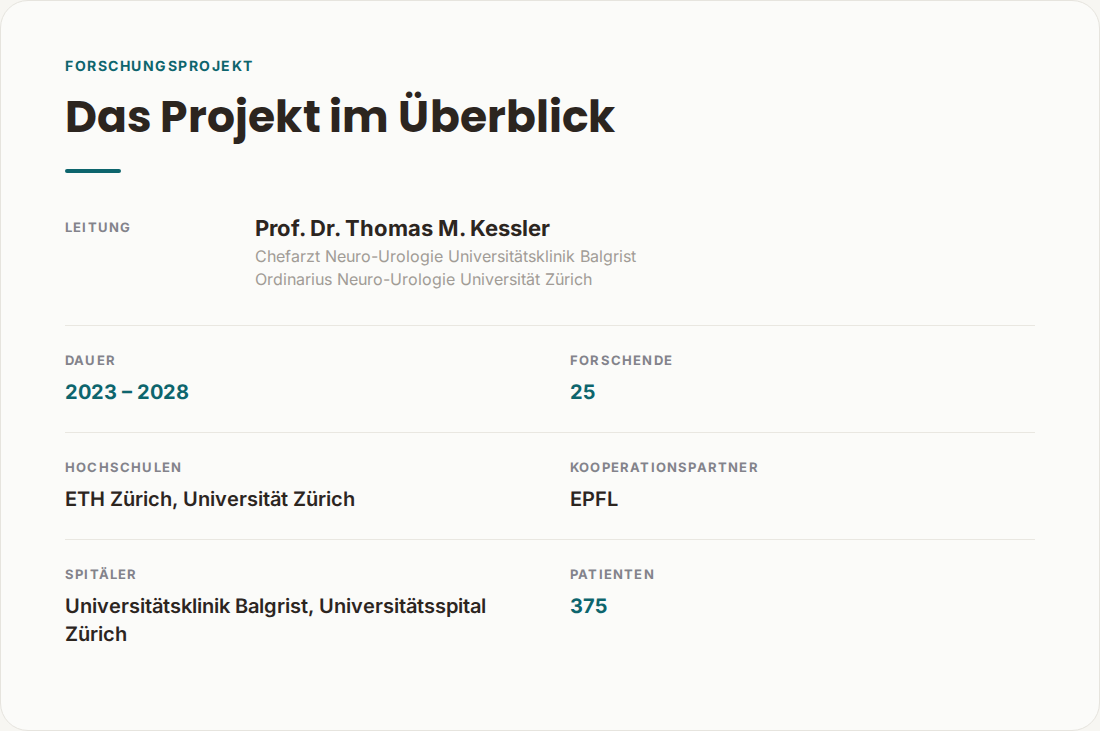
Recurrent urinary tract infections are common and place a considerable burden on those affected. The mTORUS project aims to restore a healthy bladder microbiome and thus prevent recurrent infections in the long term. To this end, the research team led by Prof. Dr. Thomas M. Kessler is developing a two-step therapeutic approach.
In the first step, disease-causing bacteria are to be selectively eliminated using genetically modified bacteriophages (PUSH). A microbiome transplant then establishes a stable, healthy bacterial population in the bladder (PULL). This targeted restoration of the microbiome is intended to strengthen the local immune system and reduce susceptibility to recurrent infections. At the same time, the project is investigating the composition of a healthy urinary tract microbiome and changes in the microbiome and immune system over the course of infections.
In the first project phase, important methodological foundations were laid: optimized procedures for sample collection, processing, and analysis across multiple laboratories; a successfully completed microbiome validation study including bioinformatic analyses; and the establishment of metabolome analyses to identify infection-associated metabolic signatures. In addition, immunophenotyping of human bladder biopsies was further developed and a secure computing environment for data-intensive analyses was set up.
Significance for Medical Research
mTORUS strengthens Zurich as a research hub in the strategically important fields of infectious disease medicine and microbiome-based precision medicine. The project’s approach – combining targeted elimination of bacteria with controlled restoration of the bladder microbiome – addresses a central challenge of modern medicine: dealing sustainably with increasing antibiotic resistance.
By closely linking clinical research with microbiological and immunological analyses and data-driven modeling, mTORUS contributes to establishing new translational standards. The methodological infrastructure developed in the project – from standardized sample processes and secure data environments to computational models – provides a robust foundation for future clinical applications and further studies.
In addition, mTORUS positions Zurich as an internationally visible center for innovative, microbiome-based therapeutic approaches. The findings are relevant not only to urinary tract infections but also have strong potential for transfer to other infectious diseases – strengthening the long-term competitiveness of the research landscape in personalized medicine.

Infection / Immunology
The Consortium

Thomas M. Kessler, Balgrist University Hospital, Neuro-Urology.

Onur Boyman, University of Zurich, Department of Quantitative Biomedicine.

Martin Loessner, ETH Zurich, Department of Health Sciences and Technology.
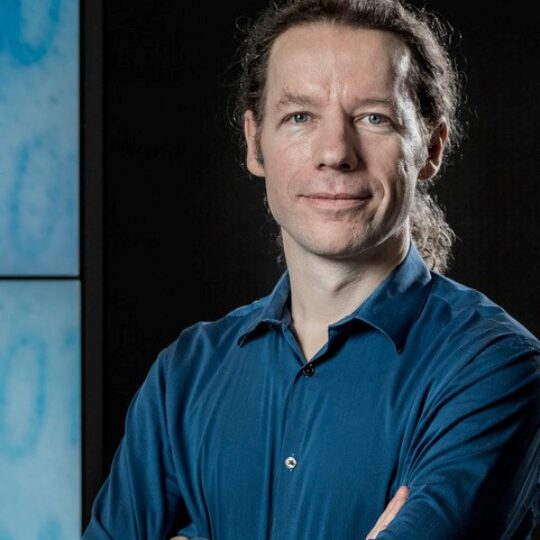
Gunnar Rätsch, ETH Zurich, Department of Computer Science, gunnar.ratsch@ratschlab.org

Shinichi Sunagawa, ETH Zurich, Department of Biology.

Emma Wetter Slack, ETH Zurich, Department of Health Sciences and Technology.

Nicola Zamboni, ETH Zurich, Department of Biology.
Junior PIs: André Kahles (Department of Computer Science, ETH Zurich), Lorenz Leitner (Neuro-Urology, Balgrist/UZH), Enea Maffei (Department of Health Sciences and Technology, ETH Zurich), Shawna McCallin (Neuro-Urology, Balgrist/UZH), Alaz Özcan (Center for Human Immunology, UZH)
This project is made possible by the Monique Dornonville de la Cour Foundation.