URGENT LOOP
Correcting the Genetic Defect Instead of Treating the Symptoms
Goal: Developing a gene therapy that offers a lasting cure for inherited urea cycle disorders using prime editing
In recent years, technologies that can precisely correct the genome have opened up enormous possibilities: rare genetic diseases may no longer just be treated but cured at their root. One particularly promising project in this field is URGENT-LOOP. It brings together experts from University Children's Hospital Zurich (Kispi), the University of Zurich (UZH) and ETH Zurich and is led by Prof. Johannes Häberle, MD.
The project aims to use prime editing to provide a lasting cure for citrullinemia type 1 (CTLN1). This rare inherited urea cycle disorder can cause life-threatening ammonia poisoning in affected children shortly after birth. It can also lead to brain damage and, in the worst cases, death.
URGENT-LOOP offers a new way to correct the underlying genetic defect directly at its source. Until now, the disease could only be managed symptomatically with diet, medication or a liver transplant.
What Is Prime Editing?
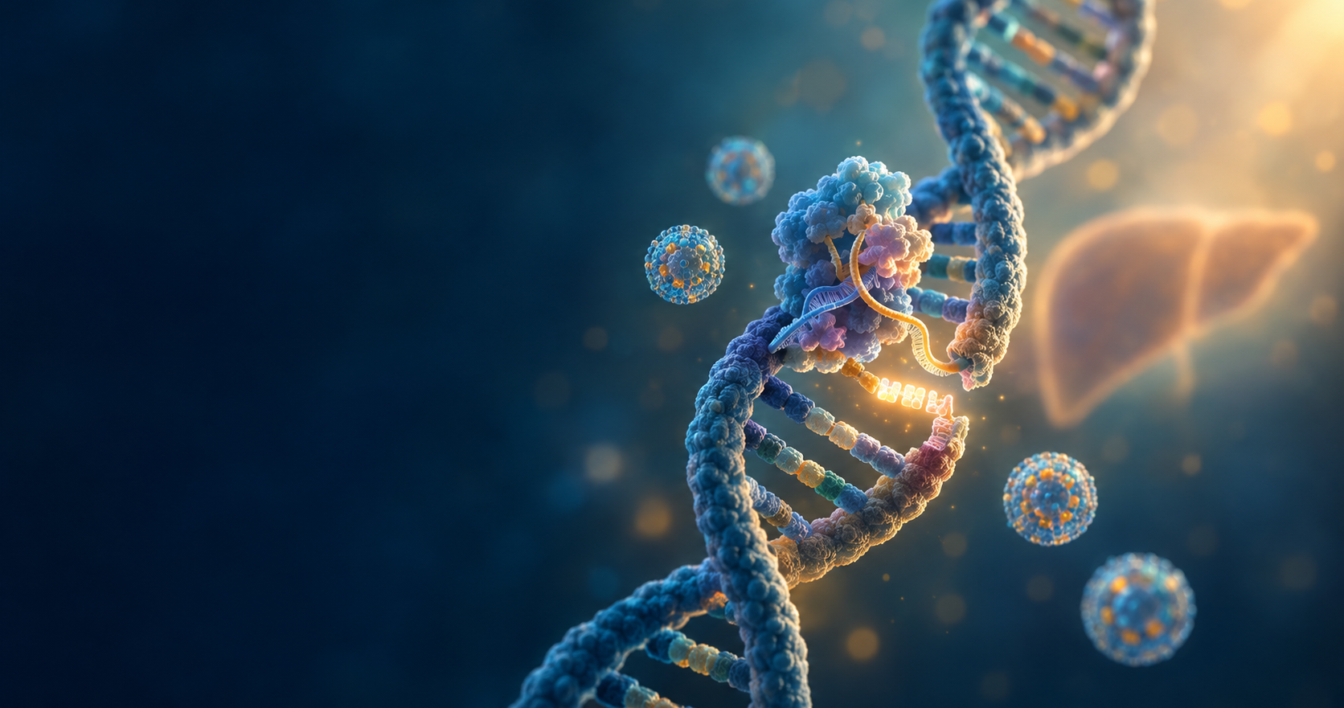
Prime editing is an advanced gene technology that can precisely repair errors in the genome. It works like a kind of “spell-checker” for DNA. First, a specialized tool locates the exact spot in the genome where a disease-causing change is found. Unlike older methods, it does not cut through the DNA completely. It only makes a very small nick. The system then writes the correct, healthy sequence into this spot, fixing the error directly.
Because the DNA is not cut all the way through, this approach is especially gentle and safer than earlier gene-editing technologies such as CRISPR. It can also correct almost any type of small genetic error. In URGENT-LOOP, the repair tool is packaged into tiny fat droplets that travel through the bloodstream to the liver. There, it directly corrects the faulty section of the genome that causes the disease.
Significance for Zurich as a Research Hub
URGENT-LOOP combines cutting-edge gene technology with first-class clinical medicine. It brings together prime editing, a gentle delivery system for the active components and a carefully planned first-in-human application at University Children’s Hospital Zurich. The result is a therapy with real prospects of a cure for a disease that, until now, could only be eased with diet and medication, not resolved.
The project thus makes a significant contribution to advancing gene therapy for rare inherited diseases. It also strengthens Zurich’s position as a research hub for precision medicine.
Metabolic Diseases
The Consortium
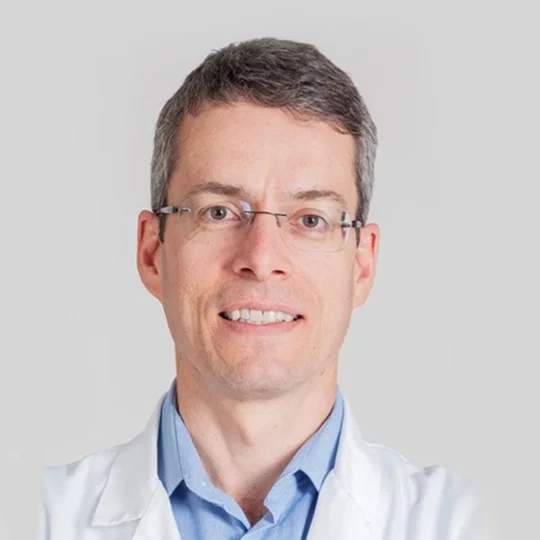
Johannes Häberle, University Children’s Hospital Zurich.

Gerald Schwank, University of Zurich, Institute of Pharmacology and Toxicology.

Jacob Corn, ETH Zurich, Department of Biology.

Michael Krauthammer, University of Zurich, Department of Quantitative Biomedicine.

Nikola Biller-Andorno, University of Zurich, Institute of Biomedical Ethics and History of Medicine.