BMI2

BMI2

The LOOP BMIP Imaging Platform

Advancing the integration of imaging data into The LOOP BMIP to support clinical and translational research

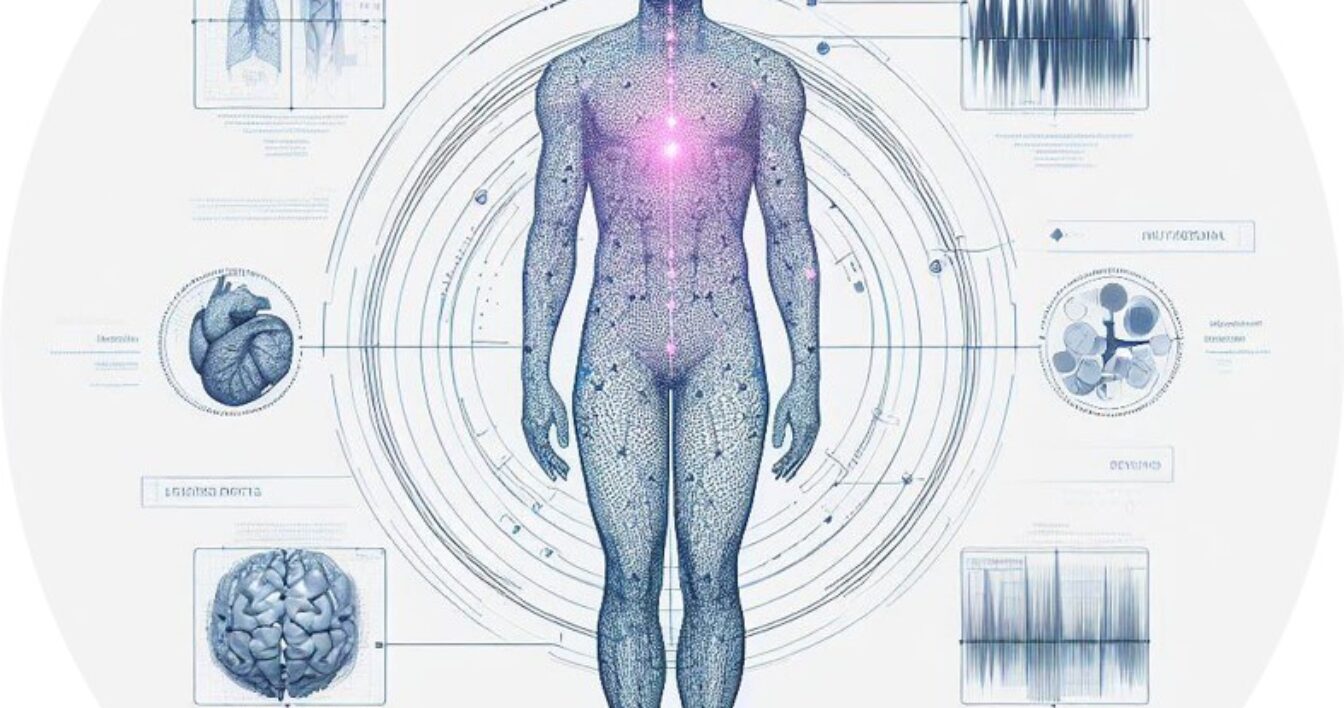
Medical imaging data from radiology and pathology are a central component of modern diagnostics and research. The Biomedical Informatics Imaging Platform (BMI2) is continuously expanding its infrastructure to integrate these data into the LOOP BMIP in an SPHN-compatible way (Swiss Personalized Health Network).

The focus is on interoperability, data-driven innovation, and clinical benefit.

Objectives of BMI2:

  • Building interfaces for the exchange of diagnostic imaging data between the partner institutions in Zurich
  • Standardization and quality control of key metadata (e.g., resolution, orientation, acquisition parameters)
  • Extraction of diagnostically relevant information on morphology, texture, and functional parameters (e.g., blood flow, tissue perfusion)
  • Linking de-identified imaging data with clinical, cellular, and molecular information
  • Clarifying questions of governance, law, and data protection in collaboration with the Clinical Trials Center (CTC) of University Hospital Zurich


Selected Research Results

In the course of 2025, significant progress was made in several key areas – from the development of clinically usable AI applications and the standardization of metadata to the expansion of secure research infrastructures.

Clinical Application

To support radiologists in interpreting chest X-rays, more than 700,000 labeled image–text pairs were compiled from public data sources. On this basis, an AI model was developed that can analyze image content and answer questions about it in a conversational format.

For treatment planning and follow-up of patients with few metastases (e.g., in melanoma or non-small cell lung cancer), an extensive PET/CT dataset was built. It covers around 1,000 patients with more than 8,000 examinations, many of them longitudinal. Part of the data has already been clinically curated and annotated. This served as the basis for developing the first automated methods for detecting and delineating tumors and organs in imaging data.

In pediatric neuro-oncology, MRI data from children with brain tumors were anonymized and made available on the clinical analysis platform Leonhard Med. In addition, an automated analysis was developed that detects and labels various brain structures and tumor regions. This method was successfully tested and validated.

Metadata Standardization

Within BMI2, unified concepts for metadata in medical imaging were developed. These were officially incorporated into the SPHN (Swiss Personalized Health Network) schema 2025.2. The new standards have already been introduced at the Zurich partner institutions University Hospital Zurich, Balgrist University Hospital, and University Children’s Hospital Zurich, and are to be implemented at other SPHN institutions across Switzerland in the future.

In addition, the SCALE-QMR project is working on AI-supported methods that automatically check and improve metadata. The goal is to make data acquisition and quality control more efficient and reliable in the future.

Infrastructure Expansion

Data pipelines for DICOM imaging data were built or expanded at all three BMI2 sites. The connection to the secure computing platform Leonhard Med was extended. In addition, technical integration into The LOOP BMIP was prepared through a shared data architecture. In parallel, the infrastructure for digital pathology (SDPI) was further developed.

Governance and Regulatory Affairs

Together with the Clinical Trials Center (CTC) of USZ, a dedicated governance and data protection concept for imaging data has largely been completed. Final alignment will take place in line with the overarching LOOP BMIP governance framework. At the same time, the ethical and legal foundations were established at Kispi for the responsible use and joint analysis of pediatric MRI data collected over many years.

Significance for Medical Research

The BMI2 platform project strengthens image-based precision medicine within The LOOP Zurich’s infrastructure and fosters the connection between clinical practice and data-driven research. Through standardized, interoperable technologies, BMI2 creates a sustainable foundation for innovative applications in diagnostics, therapy, and biomedical research in Zurich.

The Consortium

Menze

Prof. Dr. med. Bjoern Menze, University of Zurich, Department of Quantitative Biomedicine, bjoern.menze@uzh.ch

Koelzer Viktor.jpg

Viktor Kölzer, University Hospital Zurich, University Center for Laboratory Medicine and Pathology.

Csm Caprara Sebastiano 89610e96be

Sebastiano Caprara, Balgrist University Hospital, Digital Medicine Unit .

Frauenfelder Thomas 300x300

Thomas Frauenfelder, University Hospital Zurich, Institute for Diagnostic and Interventional Radiology.

Guckenberger UMZH MAP 1908201954534 FrankBruederli

Prof. Dr. med. Matthias Guckenberger, Director CCCZ Outreach and Education, University Hospital Zurich, Department of Radiation Oncology, matthias.guckenberger@usz.ch
221011 Jakab Andreas Web.jpg

András Jakab, University Children’s Hospital Zurich, Center for MR Research.