AU-FUS
Targeted Drug Release in the Brain
Problem: Many people with epilepsy do not respond adequately to medication; in addition, drugs spread throughout the entire brain and body, causing side effects
Goal: A non-invasive platform that uses focused ultrasound to release drugs exactly where they are needed in the brain
Neuroscience
AU-FUS in a Nutshell
Ultrasound as a guide for medication
- Focused ultrasound releases drugs at a defined site in the brain – without surgery
- Ultrasound-sensitive nanocarriers transport the drugs; computational brain models plan the target site
- In experiments, drug concentrations at the target site were increased up to a thousandfold
Drugs for neurological disorders usually do not act only where they are needed: they spread throughout the entire brain and body. This limits the possible dose and often leads to side effects. Moreover, in treatment-resistant epilepsy, even a combination of several drugs often fails to work adequately. The research team led by Mehmet Fatih Yanik is therefore developing a completely non-invasive system designed to release drugs in highly localized regions of the human brain – without any surgical intervention.
The AU-FUS project brings together several components: focused ultrasound (FUS) sources that are continuously developed and optimized, specialized ultrasound-sensitive carrier systems, and adaptive models for targeted ultrasound application. The drugs are packaged into nanocarriers manufactured according to strict quality standards. Focused ultrasound is intended to concentrate these carriers at a defined site, where they release their drugs. Using advanced computational models of the brain, the researchers plan precisely where and how the drugs should be released.
The project builds on extensive preclinical work in large animal models. In safety studies, the team carefully assesses how well the carriers are tolerated. The goal of the five-year project is a first clinical study involving patients with treatment-resistant epilepsy. The project starts in December 2026.
Significance for Medical Research
AU-FUS strengthens Zurich as a research hub at the intersection of neurotechnology, pharmacology, and clinical neurology. Its approach – releasing drugs non-invasively and with spatial precision in the brain – opens up a new path in precision neuropharmacology: drugs could act specifically in the brain regions involved in a disease rather than affecting the entire brain.
The project combines expertise in engineering, neuroinformatics, neurosurgery, epileptology, and veterinary medicine, and brings together ETH Zurich, the University of Zurich, University Hospital Zurich, and Klinik Lengg. With its first application in treatment-resistant epilepsy, AU-FUS also lays the groundwork for potential further applications in other brain disorders – positioning Zurich as an internationally visible center for non-invasive, personalized brain therapies.
Neuroscience
The Consortium
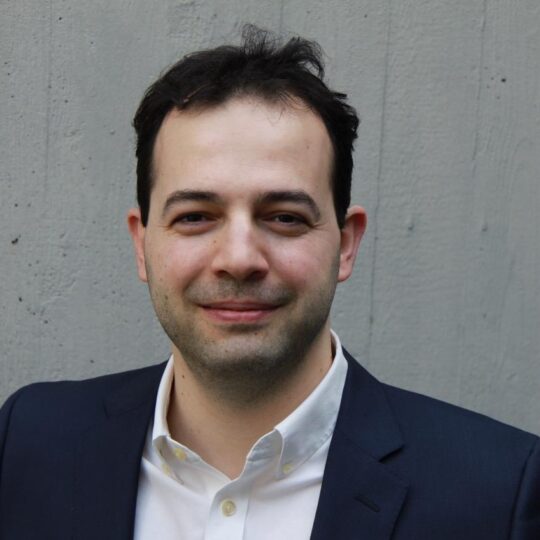
Mehmet Fatih Yanik, Institute of Neuroinformatics (ETH Zürich and UNiversity of Zurich).

Katrin Beckmann, University of Zurich, Vetsuisse Faculty.
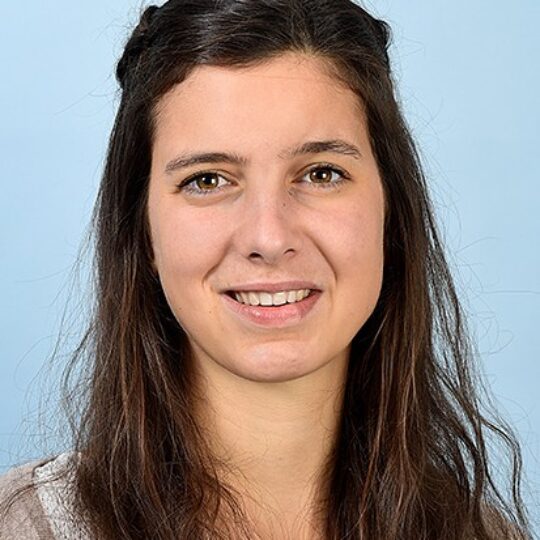
Tena Dubcek, ETH Zurich, Department of Health Sciences and Technology.

Michael Hugelshofer, University Hospital Zurich, Department of Neurosurgery.

Lukas Imbach, Swiss Epilepsy Centre, Clinic Lengg.

Henning Richter, University of Zurich, Vetsuisse Faculty.

Lennart Stieglitz, University Hospital Zurich, Department of Neurosurgery.
This project is made possible by the Vontobel Foundation.