
AU-FUS-Brain-Networks
Targeted Drug Release in the Brain
Problem: Many people with neurological and neuropsychiatric disorders do not respond adequately to medication. Systemically administered drugs spread throughout the body and cause unwanted side effects.
Goal: To develop a non-invasive platform that uses focused ultrasound to concentrate drugs precisely where they are needed in the brain and release them there.

Neuroscience
AU-FUS-Brain-Networks in a Nutshell
First gather, then release
- Focused ultrasound targets a precisely defined, millimeter-scale site in the brain. Computer models of the brain are used to plan the exact target site.
- The key step is aggregation: a first sequence of ultrasound pulses gathers the drug carriers circulating in the blood at the target site. Only then does a second pulse sequence release the active ingredient there.
- This aggregation step makes it possible to reach drug concentrations at the target that are more than a thousand times higher. In preclinical experiments, up to 1,300 times less drug was needed to achieve the same local effect as with conventional systemic administration.
Systemically administered drugs for neurological and neuropsychiatric disorders usually act not only where they are needed: they spread throughout the brain and body, which often leads to unwanted side effects. To avoid these, the dosage frequently has to be limited. In epilepsy, the first application, about 30 percent of patients do not achieve satisfactory seizure control despite medication. The research team led by Mehmet Fatih Yanik is therefore developing a fully non-invasive system designed to concentrate drugs in tightly confined regions of the human brain and release them there, without any surgery.
AU-FUS stands for Aggregation–Uncaging Focused Ultrasound, and the name describes the principle. The drugs are packaged in tiny carriers made of lipids: a gas-filled microbubble that responds to ultrasound, with drug-loaded vesicles attached to it. The carriers consist only of substances already approved for use in humans and are injected into the bloodstream. Triggering drug release with ultrasound alone has so far not been enough to reach high concentrations at the target. AU-FUS therefore adds a decisive step: a first sequence of ultrasound pulses gathers the carriers flowing through the blood vessels at the target site. A second sequence then releases (“uncages”) the drug at exactly this spot. The soft clusters of carriers form and dissolve within milliseconds and do not impede blood flow. The blood–brain barrier remains intact, and the ultrasound intensities used are well below established safety thresholds.
The project brings together several components: a focused ultrasound (FUS) system that is being further developed for clinical use, drug carriers manufactured to strict quality standards, and computer models of the brain. The researchers use these models to plan exactly where the drugs should be concentrated and released.
The project builds on a decade of development at ETH Zurich and on extensive preclinical work in small and large animal models. In safety studies, the team carefully examines how well the drug carriers are tolerated. The goal of the five-year project is a first clinical trial in patients with drug-resistant epilepsy. The project starts in December 2026.
Significance for medical research
AU-FUS-Brain-Networks strengthens Zurich as a research hub at the intersection of neurotechnology, pharmacology, and clinical neurology. The approach of concentrating and releasing drugs non-invasively and with spatial precision in the brain opens up a new path in precision neuropharmacology: drugs could act specifically in the brain regions involved in a disease rather than affecting the entire brain.
The project combines expertise in engineering, chemistry, neuroinformatics, neurosurgery, epileptology, and veterinary medicine, bringing together ETH Zurich, the University of Zurich, University Hospital Zurich, and Klinik Lengg. With its first application in drug-resistant epilepsy, AU-FUS-Brain-Networks also lays the groundwork for potential use in other brain disorders, positioning Zurich as an internationally visible center for non-invasive, personalized brain therapies.
Neuroscience
The Consortium
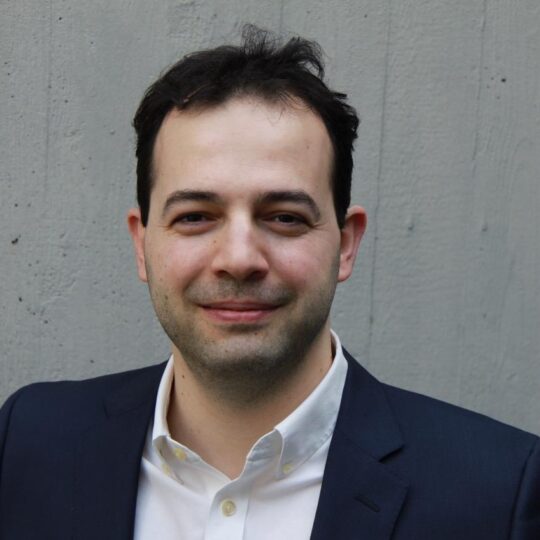
Mehmet Fatih Yanik, Institute of Neuroinformatics (ETH Zürich and University of Zurich).
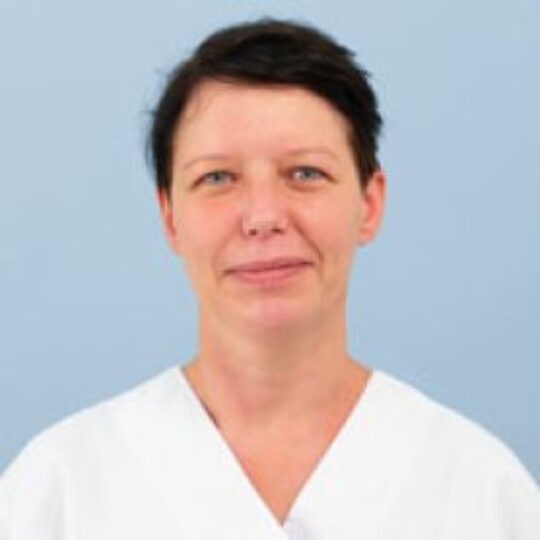
Katrin Beckmann, University of Zurich, Vetsuisse Faculty.
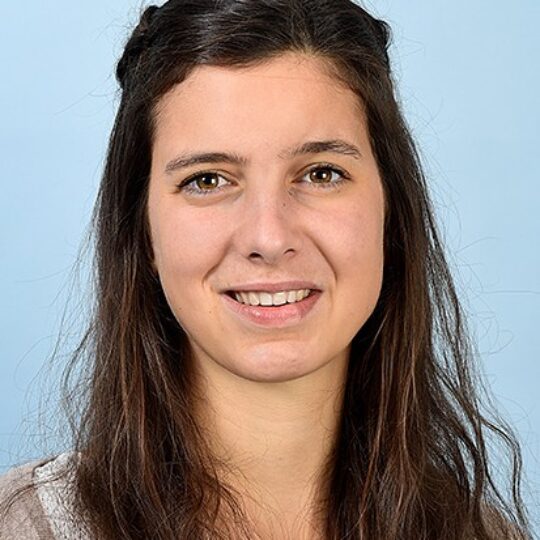
Tena Dubček, ETH Zurich, Department of Health Sciences and Technology.

Michael Hugelshofer, University Hospital Zurich, Department of Neurosurgery.
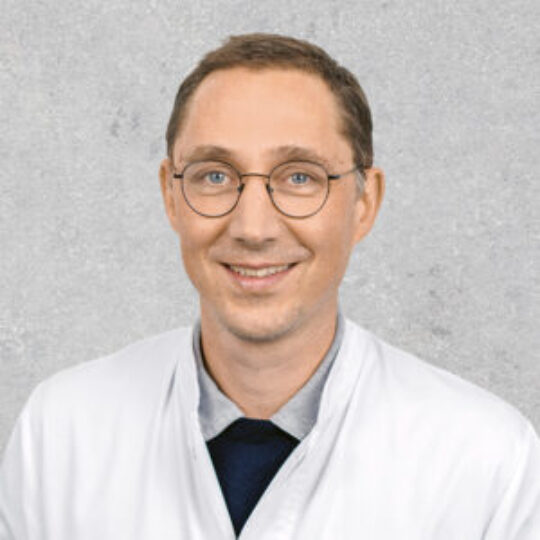
Lukas Imbach, Swiss Epilepsy Centre, Clinic Lengg.
Henning Richter, University of Zurich, Vetsuisse Faculty.

Lennart Stieglitz, University Hospital Zurich, Department of Neurosurgery.
This project is made possible by the Vontobel Foundation.