
SCOPE
Deciphering the genes that determine the success of cancer therapy
Goal: Deciphering the genetic causes of therapy resistance in colorectal cancer
In recent years, advances in modern genetic engineering have opened enormous opportunities to better understand the biological causes of cancer. One particularly promising project in this field is «SCOPE», led by Prof. Nicola Aceto (ETH Zurich) together with experts from the University of Zurich (UZH) and the University Hospital Zurich (USZ).
The project aims to understand why many colorectal tumors respond to chemotherapy or immunotherapy only partially or not at all, and to find ways to better predict the most effective treatment for each patient. It builds on StealTHY, a new genetic engineering method developed by the Aceto lab at ETH Zurich and published in Cell in 2025. In SCOPE, the team is now applying this method specifically to colorectal cancer for the first time: it switches off individual genes in colorectal cancer cells, in living models with a fully intact immune system, in order to determine which genes decisively influence treatment success.
What is StealTHY?
CRISPR, a widely used genetic engineering method, allows scientists to specifically alter the genetic material of cells. Until now, however, it has been challenging to use it to study how individual genes influence tumor behavior in interaction with the body’s own immune system: the tools required for this are recognized as foreign by the immune system itself and attacked before the actual investigation can even take place. This distorted earlier experimental results.
StealTHY is an advancement of this genetic engineering technique that remains virtually invisible to the immune system. It was developed by Massimo Saini and colleagues in the group of Nicola Aceto at ETH Zurich and published in Cell in 2025. This allows researchers, for the first time, to switch off individual genes in tumor cells while still observing how the tumor behaves under real chemotherapy or immunotherapy, in animal models with a fully functioning immune system and without a distorting defensive reaction against the tool itself.
The platform is broadly applicable across cancer types and research questions, and is being taken forward in several directions, including, e.g., tumor vaccines and immunobiology of metastasis. In SCOPE, this method is used to systematically determine which genes make colorectal cancer cells resistant to chemotherapy or immunotherapy – an important step toward more targeted treatment decisions.
Significance for the medical research community
SCOPE combines modern genetic engineering with clinical cancer research and direct access to patient samples and data at the University Hospital Zurich. By combining StealTHY, patient-derived tumor models, and machine-learning-based prediction models, the project is developing a new tool to better understand and more specifically treat therapy resistance in colorectal cancer.
In doing so, the project makes a significant contribution to personalized cancer medicine and strengthens Zurich’s position as a research hub in translational oncology.
Oncology
The Consortium

Nicola Aceto, ETH Zurich, Department of Biology.
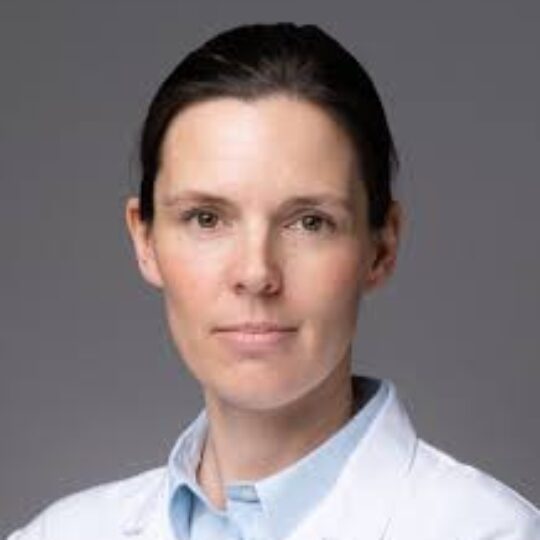
Bettina Sobottka, University Hospital Zurich, Department of Pathology and Molecular Pathology.
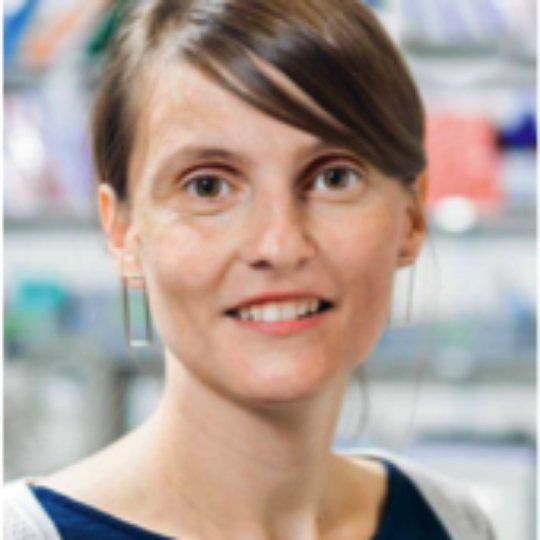
Sonia Tugues, University of Zurich, Institute of Experimental Immunology.
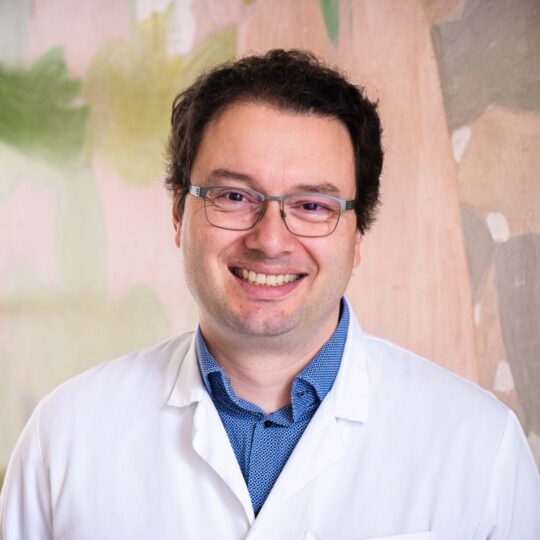
Andreas Wicki, University Hospital Zurich, Department of Medical Oncology and Hematology.