
Prevent-SSc
Early detection and prevention: A new approach to systemic sclerosis (SSc)
Systemic sclerosis (SSc) is a severe autoimmune disease that causes hardening and scarring of the skin and internal organs and has the highest mortality rate among rheumatic diseases. Until now, treatment has focused on cases in which the disease is already advanced. The “PREVENT-SSc” project, led by a team at the University of Zurich, aims to change this approach. The goal is to detect disease progression early and prevent damage before it occurs. To this end, the project seeks to identify risk factors and find new therapeutic targets for early treatment.
The project focuses on identifying people who are in the early stages of SSc but at high risk of rapid disease progression. The team plans to combine various factors such as clinical markers, blood tests, and mechanical skin measurements to develop an individual risk scoring system that can predict the likelihood of disease progression. This approach allows for more targeted treatment that can begin before severe symptoms appear.
To achieve long-term progress, the team is also investigating molecular changes in the early stages of SSc. Using state-of-the-art technologies such as single-cell RNA sequencing and proteomics, the researchers aim to create a “molecular map” of the early stages of the disease. By studying these molecular changes, they hope to identify specific therapeutic targets that could prevent disease progression. The idea is to find new treatment targets that can positively influence the course of the disease.
Selected Research Results
Significance for Zurich as a Research Hub
Infection / Immunology
The Consortium
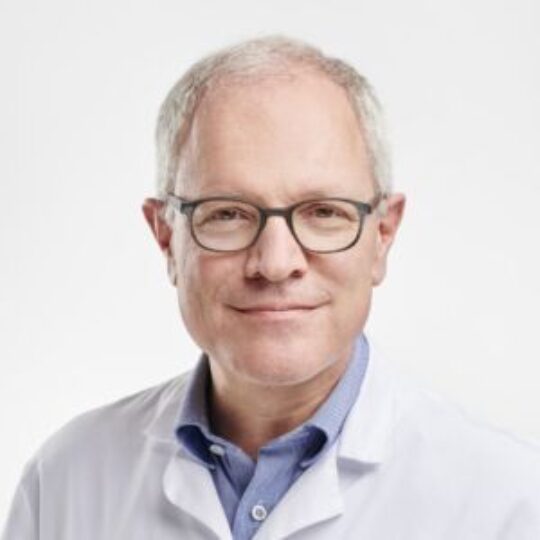
Oliver Distler, University Hospital Zurich, Department of Rheumatology.
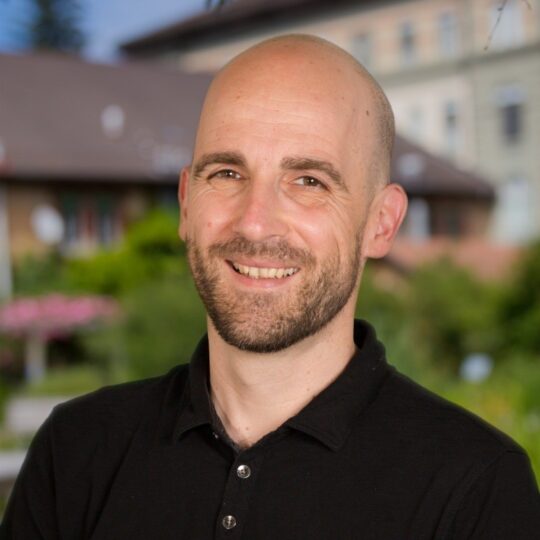
Jörn Dengjel, Department of Biology, University of Fribourg.
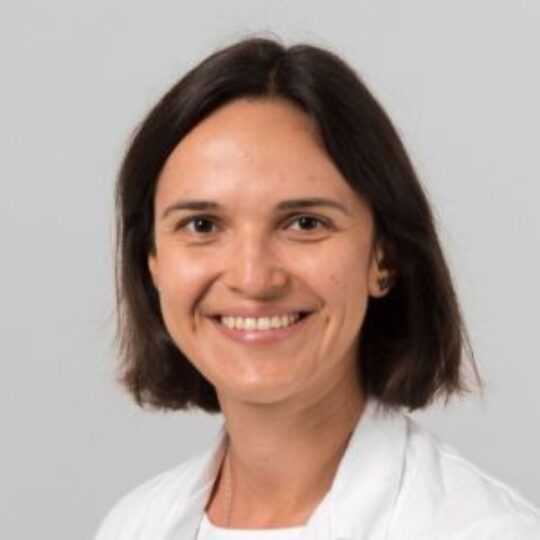
Rucsandra Dobrota, University Hospital Zurich, Department of Rheumatology.
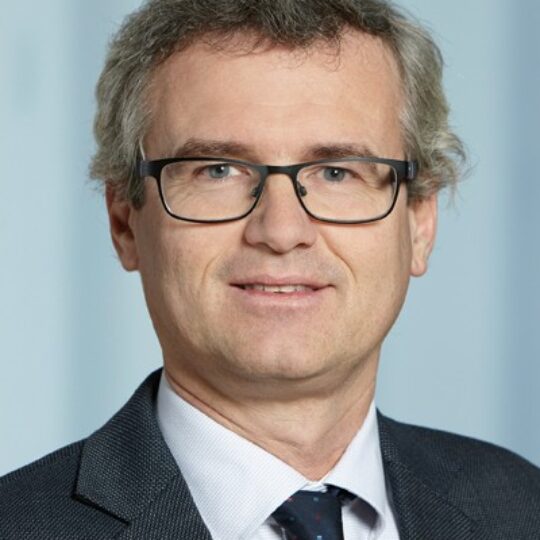
Edoardo Mazza, ETH Zurich, Department of Mechanical and Process Engineering.

Christian Stockmann, University of Zurich, Institute of Anatomy.

Helma Wennemers, ETH Zurich, Department of Chemistry & Applied Biosciences.
Sabine Werner, ETH Zurich, Institute of Molecular Health Sciences.