COVID-19 Research
The COVID-19 Projects
In March 2020, the WHO declared the COVID-19 infectious disease a pandemic. In response, The LOOP Zurich decided in July 2020 to provide targeted support for research projects on COVID-19. Funding went to projects that had been positively evaluated by the Swiss National Science Foundation (SNSF) and at the same time met LOOP’s core criteria: precision medicine, biomedical informatics, and clinical research. Each of the four projects received its own extension module that complemented and deepened the original SNSF proposal.
The projects focused on four questions of great urgency during the pandemic: biomarkers for the early detection of severe disease courses, sex-specific differences in disease progression and long-term effects, new approaches to vaccines, and long COVID. All four projects have now been completed and have delivered important new insights – from a biomarker that indicates severe disease courses early on, to a deeper understanding of the role of sex and gender in COVID-19, to new vaccine concepts and first treatment approaches for long COVID. The results have been published in renowned journals such as Immunity, Nature Immunology, and Intensive Care Medicine, and are informing further research and, in part, clinical trials.
Below, we present an overview of the four projects and their key findings.
This initiative was supported by generous donations from the Vontobel Foundation and the Horten Health Foundation.
How the immune system responds to SARS-CoV-2
Dissecting the complex interplay between SARS-CoV-2 and the immune system for identification of COVID-19- and hyper-inflammation-specific immune signatures
Project lead: Burkhard Becher
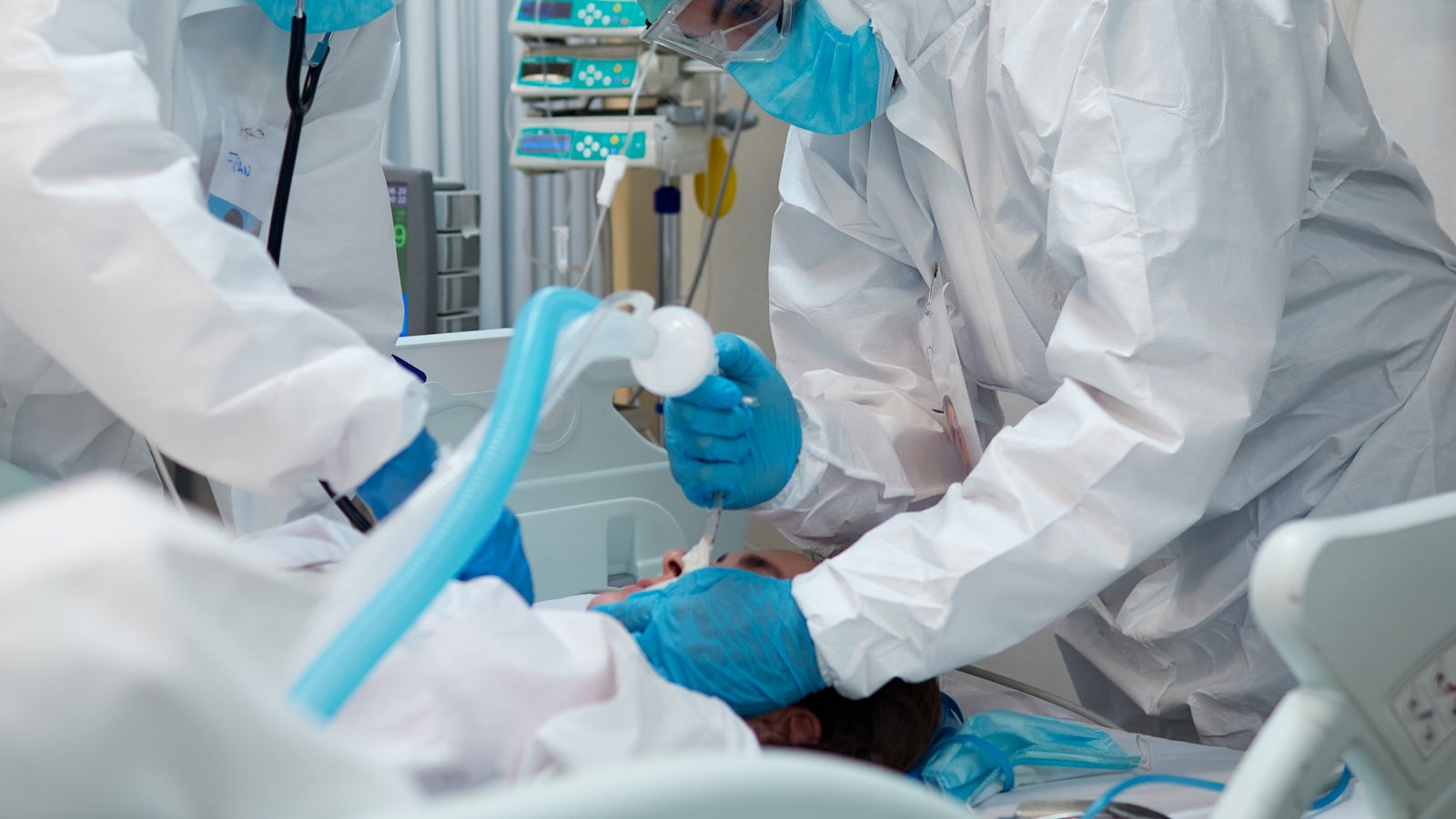
Why do some people develop only mild COVID-19 while others end up in intensive care? To investigate this question, Burkhard Becher’s team compared the immune profiles of severely ill COVID-19 patients with those of people with other severe forms of pneumonia. Using advanced single-cell analyses, the team identified characteristic changes in immune cells that were specific to COVID-19.
A particularly important discovery was a biomarker: a certain proportion of so-called CD56-positive T cells in the blood made it possible to predict, shortly after hospital admission, which patients would develop severe disease. These findings were published in the journal Immunity in 2021 and have since received wide attention in the research community. In a further study, the team showed that people with chronic kidney disease had a significantly higher risk of severe disease – a link published in the Journal of Allergy and Clinical Immunology in 2022.
The project also examined how different combinations of COVID-19 vaccines affect the immune response. In a large cohort in Argentina, combining different types of vaccines (so-called heterologous vaccination schedules) often triggered a stronger immune response than repeated doses of the same vaccine. These findings were published in Nature Immunology in 2023. Overall, the project produced several high-impact publications and is helping to identify at-risk patients earlier and treat them more effectively in the future.
Sex, gender, and the course of COVID-19
Development of a gender-sensitive risk assessment tool to predict short- and long-term outcomes of COVID-19 (COVID-GEnder: COGEN)
Project lead: Catherine Gebhard
Do men and women experience COVID-19 differently – and if so, why? To answer this question, Catherine Gebhard’s team analyzed data from around 3,000 COVID-19 patients at hospitals in Zurich, Basel, Bern, and Baden.
The analysis showed that men had a significantly higher risk of being transferred to intensive care, requiring mechanical ventilation, or dying during the acute phase of the disease. Once patients were hospitalized, however, this difference disappeared. The picture was different for long-term effects: women reported post-COVID syndrome considerably more often than men. The analysis revealed that this is linked less to biological sex than to so-called gender factors – that is, social and psychosocial circumstances such as high stress levels, single parenthood, living alone, or a lower level of education. These findings were published in journals including Intensive Care Medicine and received the award for best oral presentation at the 2022 annual meeting of the Swiss Society of Intensive Care Medicine.
The data collected also led to a web-based application that can be used at University Hospital Zurich to estimate an individual’s risk of death from COVID-19. The methodology developed in the project for capturing gender factors is to be applied to other conditions in the future, and the data collected are available to the new Biomedical Informatics Platform (BMIP) in Zurich for further research.
An oral vaccine based on gut bacteria
Defeating SARS-CoV-2 with B. subtilis biofilms
Project lead: Cornel Fraefel
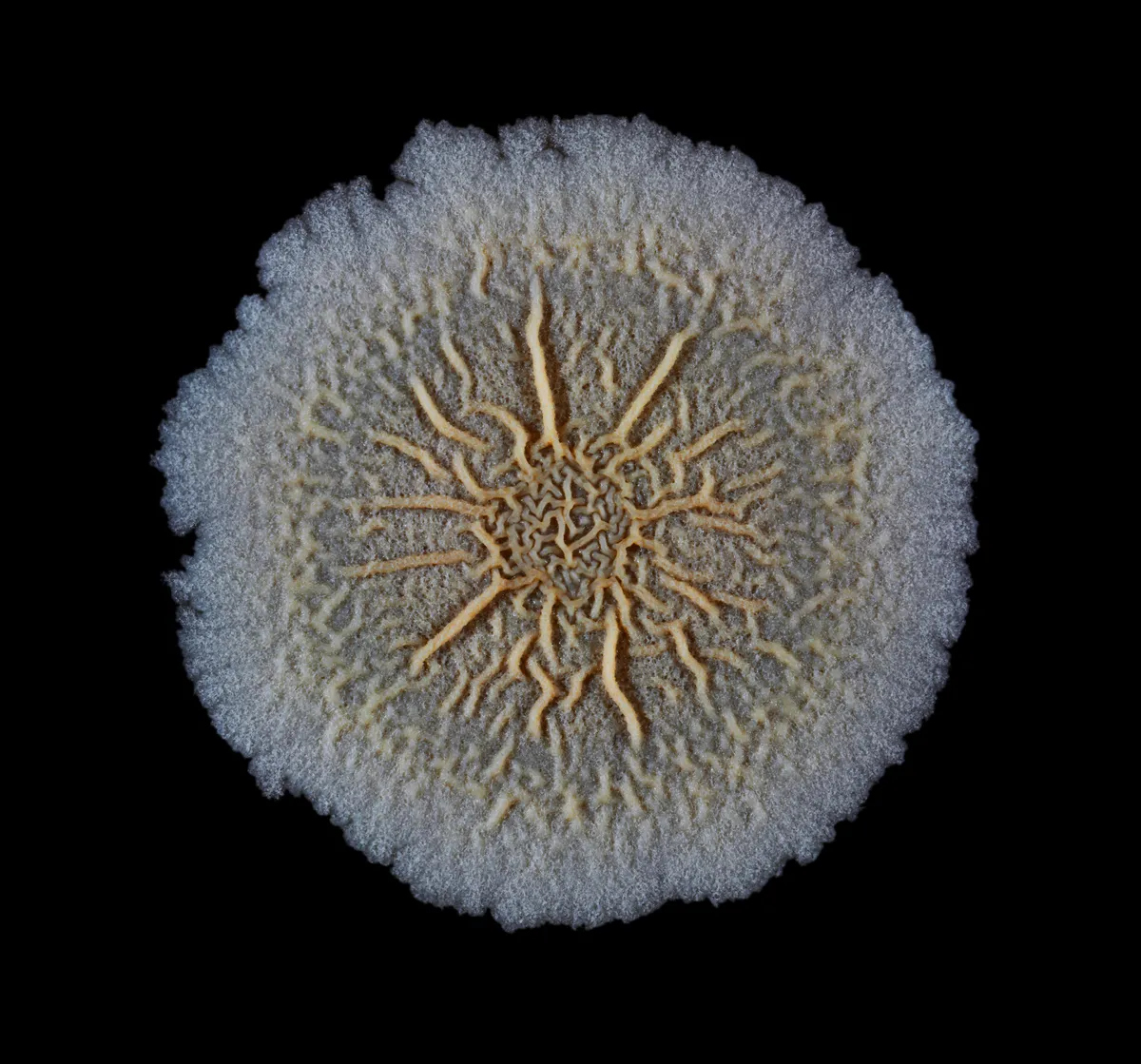
Could vaccines one day be swallowed instead of injected? Cornel Fraefel’s team pursued this goal with an unusual approach: it used genetically modified Bacillus subtilis bacteria – harmless gut inhabitants that naturally form protective biofilms – as a carrier platform for vaccines.
In the project, the team succeeded in displaying two different components of the coronavirus simultaneously on the surface of a single biofilm, which could increase the effectiveness of a future vaccine. The team also showed for the first time that this platform can be used to produce and release functional, virus-neutralizing antibodies directly within the biofilm. In laboratory experiments, an antibody produced in this way largely prevented the virus from entering cells – an efficacy approaching that of commercially available antibody drugs. Using artificial intelligence and advanced sequencing methods, the team also identified antibody candidates that could be effective against several variants of the coronavirus.
The technology is still at the preclinical stage and is currently undergoing further testing in animal models; a patent application is in preparation. The project has thus created a flexible platform technology that could be used beyond COVID-19 for both preventive and therapeutic applications.
Better understanding and treating immune changes in long COVID
SARS-CoV-2-Induced Immune Alterations and their Role in Post-COVID Syndrome
Project lead: Roland Martin

This project addresses long COVID. One in three people who contract COVID develops long COVID, which severely impairs quality of life. Excessive, debilitating fatigue and a decline in cognitive performance are just two of the symptoms that cause great concern. Those affected struggle to return to normal life and require broad therapeutic and medical care. The researchers led by Prof. Martin therefore aim to identify the cause of this syndrome as soon as possible and to develop treatment options based on their findings. They suspect that the body’s immune response to SARS-CoV-2 throws the immune system off balance over the longer term. Understanding exactly how this happens could provide valuable guidance in choosing vaccines for individual patients and enable a long-awaited therapy for long COVID.